If you're trying to lose weight in Chennai without giving up sambar and rice every night, a healthy meal subscription chennai residents can actually stick to needs portion control, low oil, and zero preservatives — not just a "diet" label slapped on the same old menu.
- Satti Kulambu's direct-order subscription model suits weight watchers who want low-oil, home-style South Indian meals without aggregator markups.
- Daily subscriptions win for consistency; single trial orders win for testing portion sizes before committing.
- ICMR guidelines cap visible oil at 20-25 grams per person per day — check this against any tiffin service you pick in 2026.
- Bulk and office orders make sense for households, not solo weight-loss plans — skip them if you're eating alone.
Why this matters
Most "healthy meal" menus in Chennai are just regular thalis with a green leaf sticker on the box. The actual difference between a meal that helps you lose weight and one that stalls you is oil quantity, portion size, and whether the curry was made fresh that morning or reheated from a batch cooked three days ago.
A cloud kitchen model — cooking to order, delivering direct, skipping the aggregator middleman — gives more control over these three variables than a restaurant scaling for delivery-app volume. That's the entire case for choosing a subscription over one-off Swiggy or Zomato orders when weight management is the goal in 2026.
Who this is for
This guide is for the Chennai office-goer or home cook who wants traditional South Indian food — kulambu, poriyal, rasam, kal dosa — but is watching calories and can't spend an hour every evening measuring rice and oil. It's also for households in Ambattur and nearby areas who want the family to eat the same home-style meal without one person eating a separate "diet" plate.
What to look for in a healthy meal subscription for weight watchers
Portion-controlled thali sizing
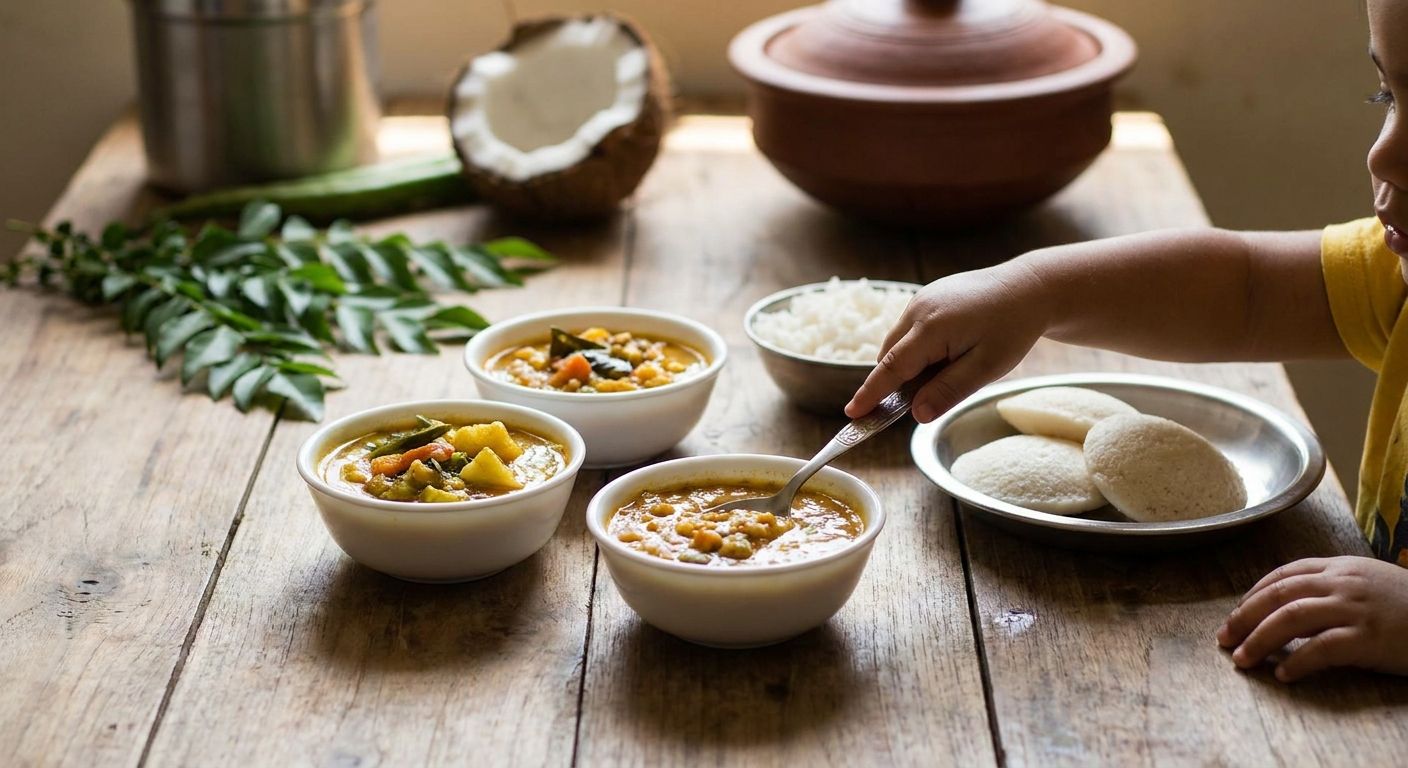
A standard South Indian thali — sambar, rasam, one or two vegetables, rice — can swing wildly in portion size depending on who's serving it. For weight watchers, a subscription needs to fix the portion every single day so you're not eyeballing rice quantity at 8pm after a long day at work.
Oil and ghee content you can actually see
ICMR (Indian Council of Medical Research) recommends roughly 20-25 grams of visible oil per person per day across all meals combined. A single kulambu or poriyal loaded with tempering oil can eat up half that allowance in one dish, so ask directly how the curries are tempered before subscribing.
Protein that isn't just dal
Sundal, kootu with lentils, egg curry, or a lean meat option rotated through the week keeps you fuller for longer than a rice-heavy thali alone. If a weekly menu is 80% rice and sambar with no protein variation, it won't hold up for a weight-loss goal past the first two weeks.
Cooked fresh, not batch-reheated
Home-style curries taste completely different reheated versus fresh — and reheated oil-heavy dishes tend to feel heavier on the stomach. A same-day cooking model matters more for weight watchers than for someone ordering biryani once a week as a treat.
Subscription flexibility around your schedule
Weight-loss routines get disrupted by travel, gym timing changes, and skipped meals. A subscription that lets you pause or adjust delivery windows without losing your plan is worth more than one that locks you into a rigid daily slot.
Direct ordering instead of aggregator commissions
Ordering direct from the kitchen instead of through a delivery aggregator means the money goes toward the food itself instead of app commissions — Satti Kulambu positions its direct-order and subscription model around exactly this, cutting out the middleman markup that aggregator apps typically add.
Top picks for weight watchers in Chennai
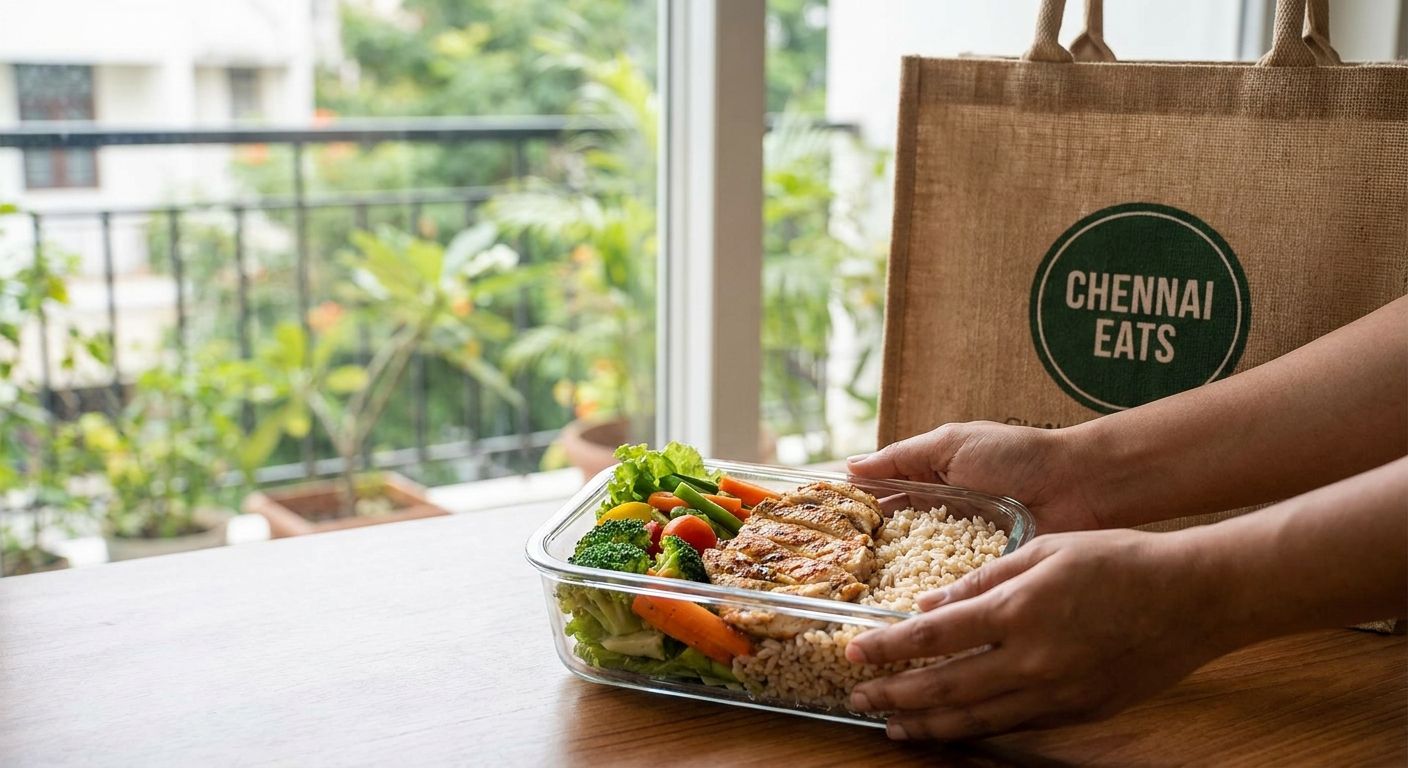
The everyday anchor: Daily meal subscription One fixed thali delivered every day removes the daily decision fatigue that derails most diets by week two. The consistency itself is the weight-loss tool — same portion, same oil level, same delivery window, day after day. Verdict: Buy for anyone who eats the same meal slot (lunch or dinner) five or more days a week.
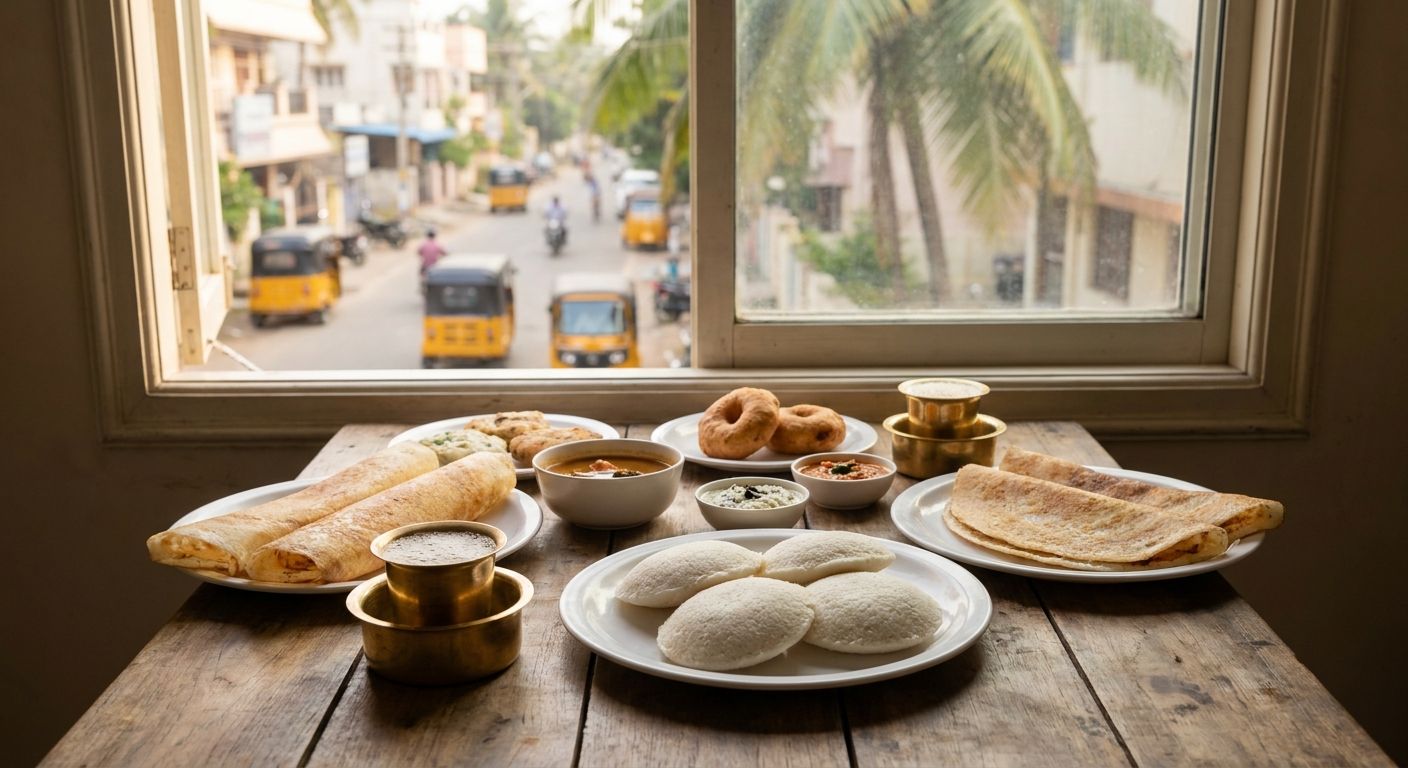
The office-friendly pick: Weekly tiffin and curry combo Rotating tiffin items — idli, kal dosa, appam — paired with a lighter curry suits people who eat breakfast or an early dinner at their desk rather than a heavy rice meal. It works well for anyone trying to cut rice portions without cutting South Indian flavor entirely. Verdict: Consider if your main goal is reducing rice intake rather than full meal replacement.
The household bulk buy: Family and office bulk orders Bulk ordering suits a household or small office where everyone eats the same home-style meal, and it can work for weight watchers only if portions are pre-divided per person rather than served family-style from one large container. Verdict: Consider for households eating together, Skip if you're the only one on the plan — bulk portioning defeats individual portion control.
The low-commitment pick: Single trial order Before locking into any weekly or monthly cycle, one direct order lets you check portion size, oil level, and how the curry actually tastes against what a menu description promises. It costs you one meal's worth of money to find out if the format fits your routine before committing further. Verdict: Buy as a first move for anyone who hasn't ordered from a given cloud kitchen before.
What to avoid
- "Diet thali" labels with no visible portion or oil information — a sticker isn't a spec. If a kitchen can't tell you roughly how much oil goes into a curry, assume it's the same as the regular menu.
- Biryani-heavy weekly plans — biryani is a treat dish, not a weight-loss staple; a subscription that pushes biryani two or three times a week isn't built for a weight-watcher.
- Aggregator-only ordering for a daily habit — paying commission on every single meal for months adds up fast; direct ordering or a subscription cuts that cost out entirely for anyone eating this way regularly.
Verdict comparison
| Option | Portion control | Oil visibility | Best for | Verdict |
|---|---|---|---|---|
| Daily meal subscription | High | High | Daily solo eaters | Buy |
| Weekly tiffin + curry combo | Medium | High | Rice-reduction goals | Consider |
| Bulk/office order | Low (unless pre-divided) | Medium | Households, offices | Consider |
| Single trial order | High | High | First-time testing | Buy |
Start with a direct order today
Order home-style South Indian meals directly, no aggregator commission.
FAQ
What's the best healthy meal subscription in Chennai for weight loss?
The best option in 2026 is a daily or weekly subscription that fixes portion size and keeps visible oil within the 20-25 gram ICMR guideline per day. Look for same-day cooking and direct ordering over aggregator delivery to keep costs and oil content predictable.
Is a daily subscription better than ordering one-off meals?
Yes, for weight loss specifically, because a fixed daily portion removes the guesswork that leads to overeating rice or skipping vegetables. One-off orders work fine for occasional meals but don't build the consistency a weight-loss routine needs.
How much oil should a healthy South Indian meal contain?
ICMR recommends around 20-25 grams of visible oil per person per day across all meals. A single kulambu or poriyal with heavy tempering can use up a large share of that allowance, so ask about oil quantity before subscribing.
Does ordering direct from a cloud kitchen save money compared to delivery apps?
Ordering direct skips the commission that aggregator apps charge, which lowers the cost per meal when you're ordering daily or weekly rather than occasionally. Over a month of subscription meals, that difference adds up more than a single order.
Can I pause a meal subscription if I travel?
Most subscription models allow pausing or adjusting delivery days, but this depends on the specific kitchen's policy, so confirm flexibility before committing to a weekly or monthly cycle. Flexibility matters more for weight-loss routines than for casual ordering.
Are bulk or office orders suitable for individual weight watchers?
Bulk orders work for households eating the same meal together but only help weight watchers if portions are divided per person rather than served family-style. If you're the only one on a weight-loss plan, an individual subscription controls portions better.
What South Indian dishes work best for a weight-loss meal plan?
Protein-forward dishes like sundal, kootu with lentils, and lean curries paired with a moderate rice portion work better than rice-heavy thalis with no protein rotation. Rotating tiffin items like idli or kal dosa also help reduce overall rice intake across the week.
Is biryani okay on a weight-loss meal subscription?
Biryani works as an occasional treat but not as a regular item on a weight-loss weekly plan because of its higher rice and oil content compared to a standard thali. Once or twice a month fits better than two or three times a week.
One last thing
The single biggest lever for weight loss in a South Indian meal isn't the rice — it's the oil used to temper the kulambu and poriyal, since that's where most of the hidden calories sit. Ask any kitchen you're considering in Chennai in 2026 how much oil goes into a standard curry before you sign up for a week, let alone a month, of daily meals.